
Buying a home is one of the biggest financial and lifestyle decisions you will ever make. As you start browsing real estate listings across the Lower Mainland—from East Van character neighborhoods to the suburban pockets of Surrey and Coquitlam—one of the first major forks in the road is deciding on the layout and property type that fits your goals: a Single-Family Home or a Townhouse.

While both options offer the pride of homeownership, they cater to very different lifestyles, budgets, and long-term plans, especially in a competitive market like Vancouver. Let’s break down how they stack up against each other so you can choose the one that truly feels like home.

1. What’s the Core Difference?

  • Single-Family Home: A completely detached structure sitting on its own private lot. In Vancouver, these are often the classic heritage homes or modern rebuilds featuring sought-after yards. You own both the home structure and the land beneath and around it.

  • Townhouse: A multi-floor home that shares one or two wall connections with adjacent units. Popular from Mount Pleasant to the Fraser Valley, townhouses give you multi-level living while sharing common space managed by a strata corporation.

2. Side-by-Side Comparison

Feature

Single-Family Home

Townhouse

Purchase Price

Significantly higher (often multi-million in Vancouver proper)

Typically more accessible price point

Privacy

High (no shared walls or yards)

Moderate (shared side walls)

Maintenance

100% owner responsibility

Shared or strata-managed exteriors

Strata / HOA Fees

Optional / usually lower

Common and reflect building upkeep

Outdoor Space

Private yard and driveway

Shared green spaces, small patio, or rooftop deck

Customization

Complete freedom (subject to city zoning/bylaws)

Subject to strata bylaws and guidelines

3. Key Factors to Consider in Vancouver

A. Cost, Market Entry, and Strata Fees

In Vancouver’s high-cost real estate landscape, detached single-family houses command premium prices, often pushing buyers toward suburban areas or requiring substantial budgets. Townhouses serve as an ideal "missing middle" housing option, offering more square footage than a condo at a more approachable price point than a detached house. Keep in mind that Vancouver townhomes come with monthly strata fees to cover common property maintenance, building insurance, and reserve funds.

B. Maintenance & Freedom

If you want the freedom to renovate your interior layout, build a garden suite (laneway home), or plant an extensive garden in your yard, a detached home in Vancouver gives you maximum control. However, you are also entirely responsible for managing rainy-season upkeep, roof repairs, and gutter cleaning.

Townhome living in Vancouver offers a much easier "lock-and-leave" lifestyle, where exterior maintenance, landscaping, and building upkeep are handled by your strata corporation—freeing up your weekends to hit the local ski slopes or bike the Seawall.

C. Space, Layout & Privacy

Single-family homes offer expansive layouts and distance from neighbors. Vancouver townhouses typically expand vertically over two to three stories, which means navigating stairs daily, but they often feature smart, modern interior designs and sometimes bonus rooftop patios overlooking the North Shore mountains.

4. Which One Suits You Best?

Choose a Single-Family Home if you:

  • Value maximum privacy and quiet living without strata rules.

  • Want a large private yard for pets, gardening, or future expansion potential (like a Vancouver laneway home).

  • Are comfortable handling all ongoing maintenance costs and the realities of the local weather.

Choose a Townhouse if you:

  • Want a more affordable entry into desirable Vancouver or surrounding urban neighborhoods.

  • Prefer low-maintenance living without weekend yard chores.

  • Want multi-level living with a garage and private outdoor patio space.

  • Don't mind following strata bylaws and sharing walls with neighbors.


Ready to Find Your Vancouver Home?

Take the next step in your real estate journey and look into available listings, market trends, and neighborhood breakdowns tailored to your budget.

Cindy Neubauer | (604) 833-6840

...

You signed a mountain of paperwork, handed over the closing funds, and finally received the keys to your new home. Congratulations!

While taking a moment to pop the champagne and celebrate this major milestone is a must, the work isn't quite over yet. The first 48 to 72 hours after closing are critical for setting up your new space securely, comfortably, and efficiently.

To help you navigate this transition seamlessly, here is an actionable checklist of what to prioritize immediately after closing day.

1. Secure the Property First


Before you move a single box inside, focus on physical and digital security. You never know who holds spare keys or codes from the previous owners, contractors, or real estate agents.

  • Change the Door Locks: Replace the locksets or rekey all exterior deadbolts and handle sets on day one.

  • Reprogram Access Codes: Reset keypads on garage door openers, smart locks, and entry gates to factory defaults, then create your own secure PINs.

  • Update the Alarm System: Transfer existing security services into your name or set up a new smart security system.

  • Replace Smoke & CO Detector Batteries: Test every detector in the house and install fresh batteries so you are protected from night one.

2. Verify and Transfer Essential Utilities


Most buyer agents recommend scheduling utility transfers a few days prior to closing, but immediately after signing, you need to verify everything is operational under your account.

  • Water and Sewer: Ensure municipal accounts or private well systems are fully updated to your name.

  • Electricity and Gas: Confirm service activation to prevent any service interruptions or emergency shutoffs.

  • Internet and Cable: Verify technician appointment times so you aren't left without Wi-Fi during the move.

  • Trash and Recycling: Set up municipal collection or private pickup services and confirm your local collection schedule.

3. Complete Immediate Maintenance Checks

Take advantage of an empty house to check the baseline health of your mechanical systems before furniture blocks access.

1.Locate Main Shut-Off Valves and Breaker Box:Do this before an emergency happens.

Walk through the property to locate the main water shut-off valve, main gas valve, and electrical breaker box. Label switches clearly if they aren't already marked.

2.Replace HVAC Air Filters:Ensures clean air flow during moving day.

Install fresh air filters in your furnace and air conditioning return vents. Construction dust or old pet dander from previous owners can impair indoor air quality.

3.Check the Water Heater:Verify settings and inspect for leaks.

Inspect the temperature setting on your water heater (120°F or 49°C is recommended for safety and energy efficiency) and check around the base for any signs of active moisture or leaks.

4. Deep Clean While the Space is Empty


It is infinitely easier to clean floors, baseboards, and cabinet interiors before your belongings arrive.

  • Sanitize High-Touch Surfaces: Wipe down kitchen countertops, appliance handles, doorknobs, and light switches.

  • Clean Inside Cabinets and Drawers: Vacuum out sawdust or debris from kitchen and bathroom cabinetry before lining them.

  • Steam Clean Carpets: If the home has carpeted rooms, schedule or perform a deep steam cleaning while rooms are bare.

5. Handle Important Administrative Tasks

Finally, take care of official updates to keep your mail, legal documentation, and accounts accurate.

  • File Change of Address: Submit your address update with the postal service and notify financial institutions, employers, and insurance providers.

  • Store Closing Documents Safely: Keep your executed closing packet, title insurance policy, and closing disclosure in a fireproof safe or secure digital storage.

  • Check Homestead Exemption Deadlines: Depending on your state or local tax regulations, research the deadline to file for a primary residence property tax exemption.

Need Help Navigating Your Home Purchase or Next Steps?

Are you exploring your home buying options or looking for personalized guidance on your next move? Whether you are looking to purchase your dream home, compare mortgage options, or explore available listings in your favorite neighborhood, we’re here to help every step of the way.


Cindy Neubauer 

(604) 833-6840

...

When it comes to world-class luxury real estate, few places compare to West Vancouver. Cradled between the dramatic slopes of the North Shore mountains and the sweeping Pacific coastline, this market represents the absolute pinnacle of West Coast elegance.

Whether you’re hunting for a sleek, contemporary masterpiece or a private waterfront estate with panoramic ocean views, exploring the current inventory reveals why West Vancouver remains one of Canada’s most prestigious addresses.

What’s Catching Buyers' Eyes Right Now

A quick look at the active luxury inventory ($3M+) across West Vancouver’s most coveted pockets showcases an incredible mix of design, scale, and location. Here are a few notable properties setting the tone in the market:

  • The Waterfront Jewel — Travers Avenue (West Bay): For those seeking the ultimate coastal lifestyle, properties along Travers Avenue command attention. A standout recent listing here sits at an impressive $15,988,000, offering sophisticated architecture designed to maximize those priceless water vistas.

  • British Properties Prestige — Fairmile Road: Synonymous with timeless luxury, the British Properties continue to deliver grandeur. A stunning 7-bed, 8-bath residence on Fairmile Road recently hit the market listed at $9,800,000, combining estate-style privacy with sweeping scale.

  • Family Sophistication in Ambleside & Glenmore: If you love being closer to community hubs and local amenities, neighborhoods like Ambleside (such as Ottawa Avenue) and Glenmore (like Ballantree Road) are seeing exceptional homes in the $4M to $5M range land on the market, offering incredible square footage, high-end finishes, and effortless indoor-outdoor living.

Why West Vancouver Remains Unmatched

It’s not just the homes that draw discerning buyers from across Canada and around the globe—it’s the lifestyle. Living here means:

  1. Unrivaled Natural Beauty: Waking up to views of the ocean, Stanley Park, and the Vancouver skyline never loses its magic.

  2. Outdoor Recreation on Your Doorstep: From skiing at Cypress Mountain to hiking local trails and beach-combing along the shore, adventure is always minutes away.

  3. Architectural Excellence: West Vancouver is a canvas for innovative design, featuring custom-built smart homes, clean lines, floor-to-ceiling glass walls, and seamless integration with the surrounding West Coast foliage.


Click here to view available luxury properties in West Vancouver!


Navigating the Luxury Market

Navigating a multi-million-dollar purchase—or positioning a luxury property to sell—requires hyper-local expertise, discretion, and strategic insight. Inventory moves dynamically across neighborhoods like Westmount, Caulfeild, Dundarave, and Canterbury, and having the right guidance makes all the difference in turning real estate aspirations into reality.

Curious about what a specific home is worth, or looking to keep a pulse on new luxury listings as they drop? Let's chat about your next move in West Vancouver real estate!

...

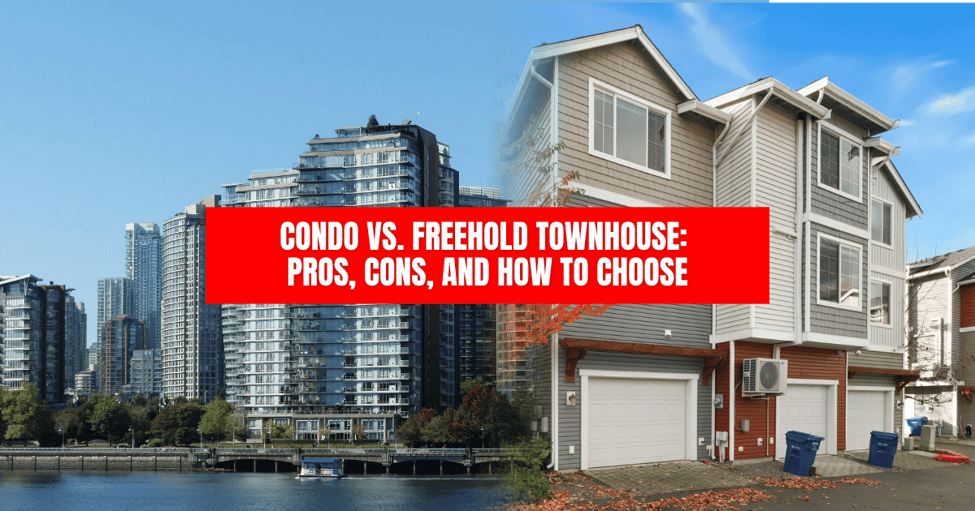
Buying a home is one of the biggest financial and lifestyle decisions you will ever make. But if you’ve decided that a detached single-family house isn't the right fit—whether due to rising prices or maintenance demands—you’ve likely landed on two popular choices: a condominium (condo) or a freehold townhouse.

At first glance, both options offer great housing solutions, but the underlying ownership models, financial obligations, and daily living experiences couldn't be more different. Buying the wrong type of property can mean unexpected monthly fees, restrictive rules, or maintenance headaches you weren't prepared for.

In this comparison guide, we’ll break down the key pros and cons of condos versus freehold townhouses so you can confidently choose the property that matches your budget, long-term goals, and daily lifestyle.

What Is the Difference Between a Condo and a Freehold Townhouse?

Before diving into the pros and cons, it’s essential to understand what "condo" and "freehold" actually mean—because the difference comes down to ownership structure, not just architecture.

  • Condominium Ownership: You own the interior space of your individual unit (from the walls in). The building structure, hallway corridors, exterior grounds, and shared amenities (like gyms or pools) are jointly owned by all unit owners and managed by a condo board.

  • Freehold Ownership: You own both the home structure (interior and exterior) and the land it sits on. You are solely responsible for maintaining the entire property, including the roof, foundation, driveway, and yard.

Condo Ownership: High Convenience, Shared Costs

Condos—whether high-rise apartments or condo townhomes—are ideal for buyers who prioritize convenience and low maintenance.

The Pros of Buying a Condo

  • Low Maintenance Living: Say goodbye to shoveling snow, mowing the lawn, or replacing a leaking roof. The condo corporation handles all exterior maintenance and structural repairs.

  • Desirable Amenities: Many condo developments feature shared perks you might not afford in a single-family home, such as fitness centers, swimming pools, concierge service, rooftop terraces, and party rooms.

  • Enhanced Security: Controlled entry, security staff, and surveillance cameras offer peace of mind, especially for frequent travelers or single occupants.

  • Lower Upfront Purchase Price: Condos generally carry a lower initial purchase price compared to freehold properties in the same neighborhood, making them an accessible entry point for first-time buyers.

The Cons of Buying a Condo

  • Monthly Maintenance Fees: You must pay a mandatory monthly condo fee (often called HOA fees). These fees increase over time and can significantly impact your monthly budget.

  • Bylaws and Restrictions: Living in a condo means following strict community rules. You may face limitations on pet size/number, renting out your unit, noise levels, or even what color curtains you can hang.

  • Risk of Special Assessments: If the condo’s reserve fund is underfunded and a major repair arises (like an elevator or roof replacement), owners can be hit with an unexpected, mandatory bill called a special assessment.

Freehold Townhouse Ownership: Full Control, Maximum Equity

Freehold townhouses offer a middle ground between condo living and single-family homeownership, giving you autonomy over your property without paying ongoing condo fees.

The Pros of Buying a Freehold Townhouse

  • No Monthly Condo Fees: Every dollar you pay toward your housing costs goes directly toward your mortgage and home equity rather than a shared management fund.

  • Complete Ownership and Control: Want to paint your front door neon green, renovate the kitchen, or adopt three dogs? As long as you comply with local municipal zoning laws, you have full freedom to modify your property.

  • Stronger Appreciation Potential: Land generally appreciates faster than structural units. Because you own the land beneath a freehold townhouse, these properties often hold stronger resale value over time.

  • Private Outdoor Space: Freehold townhomes usually feature dedicated backyards or private patios, perfect for gardening, pets, or outdoor entertaining.

The Cons of Buying a Freehold Townhouse

  • 100% Maintenance Responsibility: You are completely on the hook for repairs. If the roof leaks, the driveway cracks, or the HVAC system fails, you must find and pay contractors yourself.

  • Higher Purchase Price: Freehold properties typically cost more upfront than comparable condo units due to the value of the underlying land.

  • Fewer Shared Amenities: You won't have access to a pool, gym, or on-site security guard unless you pay for private memberships elsewhere.

Direct Comparison: Condo vs. Freehold Townhouse

Which Option Is Right for You?

Choose a Condo if:

  • You travel frequently or want a "lock-and-leave" lifestyle.

  • You dislike outdoor chores like landscaping and snow removal.

  • You want access to luxury amenities on-site.

  • You are looking for a lower initial purchase price.

Choose a Freehold Townhouse if:

  • You want long-term control over your property without monthly fee hikes.

  • You value private outdoor space for kids or pets.

  • You are comfortable managing and budgeting for home repairs.

  • You prioritize maximum real estate appreciation and equity building.

Choosing between a condo and a freehold townhouse comes down to what you value most: the hands-off convenience of condo living or the freedom and equity growth of freehold ownership. Both options offer fantastic pathways to homeownership, but aligning your choice with your personal lifestyle and long-term financial plan is key to a happy purchase.

Ready to explore available condos and freehold townhouses in your preferred neighborhood? Let our expert team guide you through the local market and find the perfect property for your budget and lifestyle.

Ready to find your dream home?

Call me directly today at (604) 833-6840 for a personalized real estate consultation!

...

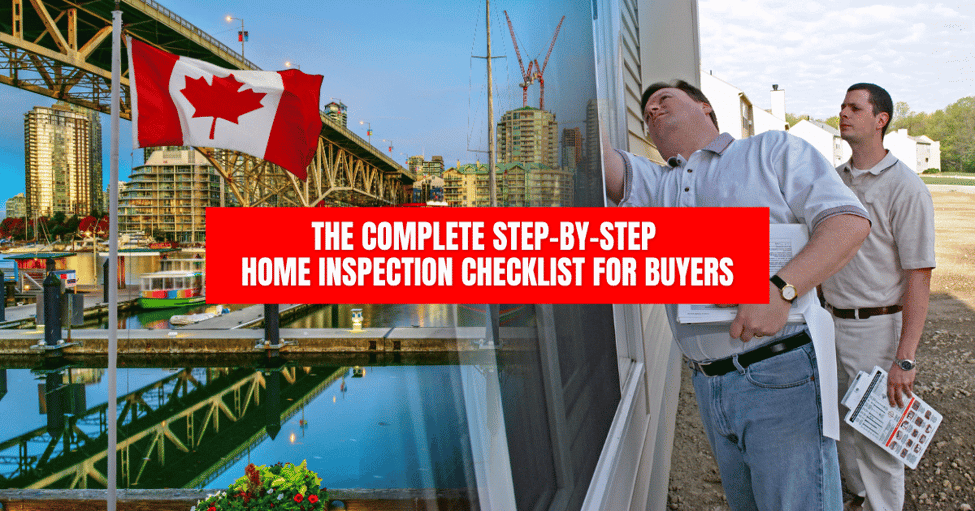
Finding your dream house and getting an offer accepted is a major milestone. But before you break out the champagne, there is one critical hurdle left before closing: the home inspection.

A home inspection is your opportunity to look beneath the fresh coat of paint and polished stage furniture. It protects your investment, gives you leverage during purchase negotiations, and prevents costly surprises down the road. While a licensed professional inspector will do the heavy lifting, knowing what to look for—and what red flags to watch out for—empowers you to ask the right questions and make confident decisions.

Use this step-by-step checklist to guide you through every phase of the home inspection process.

Step 1: Pre-Inspection Preparation

Before the inspector steps foot on the property, lay the groundwork so you can get the most out of the walk-through.

  • Hire an Independent Inspector: Choose a licensed, certified inspector with strong local reviews rather than relying solely on real estate agent recommendations.

  • Attend the Inspection in Person: Plan to be there for the final 30–60 minutes or the entire process. Seeing issues firsthand helps you contextualize what appears in the written report.

  • Review the Seller’s Disclosure: Cross-reference any known past repairs or issues disclosed by the seller against what the inspector finds.

Step 2: Exterior & Structural Integrity Checklist

The exterior of the home protects everything inside it. Major structural repairs are often the most expensive to fix, so pay close attention here.

Grounds & Drainage

  • [ ] Grading: Does the ground slope away from the foundation to prevent water pooling?

  • [ ] Driveways & Walkways: Are there large cracks, uneven concrete, or trip hazards?

  • [ ] Retaining Walls & Vegetation: Are tree roots growing too close to the foundation or utility lines?

Roof & Structure

  • [ ] Roof Condition: Are shingles missing, curled, or damaged? How old is the roofing material?

  • [ ] Gutters & Downspouts: Are downspouts connected properly and directing water at least 3–5 feet away from the house?

  • [ ] Foundation: Are there visible horizontal cracks, bowing walls, or signs of settling?

Step 3: Interior & Living Space Checklist

Inside the home, the focus shifts to safety, functionality, and potential signs of hidden moisture.

Doors & Windows

  • [ ] Operation: Do doors and windows open, close, and lock smoothly?

  • [ ] Seals & Insulation: Are double-pane windows fogged up (indicating broken thermal seals)?

Walls, Ceilings, & Floors

  • [ ] Water Stains: Are there dark spots or bubbling paint on ceilings or walls below bathrooms and beneath roofs?

  • [ ] Level Flooring: Do floors feel level, sturdy, and free of soft spots?

Step 4: Core Systems Checklist (HVAC, Electrical & Plumbing)

Major mechanical systems keep the home comfortable and safe. Replacing these can cost thousands, so knowing their age and condition is key.

      CORE HOME SYSTEMS INSPECTION


Plumbing

  • [ ] Water Pressure & Drains: Run multiple faucets simultaneously to check pressure and drainage speed.

  • [ ] Leaks: Check under kitchen and bathroom sinks for signs of moisture or water damage.

  • [ ] Water Heater: Check the manufacture date (average lifespan is 10–12 years) and look for rust or leaks.

Electrical

  • [ ] Panel & Outlets: Is the main electrical panel up to code? Are outlets GFCI-protected near water sources?

  • [ ] Wiring: Look for outdated wiring systems (like knob-and-tube or aluminum wiring) or exposed connections.

Heating & Cooling (HVAC)

  • [ ] Age & Maintenance: How old are the furnace and air conditioner? Are maintenance records available?

  • [ ] Airflow: Does the system produce warm or cold air effectively across all rooms?

Step 5: Attic & Basement Inspection

Attics and basements reveal how well a home handles insulation, ventilation, and moisture.

  • [ ] Attic Insulation: Is insulation sufficient, even, and free of pest droppings or mold?

  • [ ] Basement/Crawl Space: Is there standing water, a musty odor, or signs of past flooding?

  • [ ] Sump Pump: If present, does the sump pump feature a working float switch and backup system?

Step 6: Post-Inspection Action Plan

Once you receive the official written inspection report (usually within 24–48 hours), move quickly:

  1. Distinguish Needs from Wants: Focus negotiations on safety hazards, structural issues, and costly system failures (e.g., roof leak, faulty wiring) rather than cosmetic flaws.

  2. Request Repairs or Credits: Work with your agent to request seller repairs prior to closing or negotiate financial credits/price reductions.

  3. Schedule Specialized Inspections if Needed: If the inspector flags potential issues, hire specialists (e.g., structural engineer, sewer scope specialist, chimney inspector, or pest inspector) for deeper evaluation.

Make Your Next Move With Confidence

A home inspection doesn't have to be overwhelming—with the right checklist and team on your side, it’s your strongest tool for protecting your investment. Whether you are navigating your first purchase or buying an investment property, thorough inspection prep gives you total peace of mind before signing on the dotted line.

Have questions about the home buying process, or ready to schedule your professional property consultation?

Call me directly at (604) 833-6840 to speak with me and explore our services and book your appointment today!

...

In a hot real estate market, finding the right property is only half the battle. Once you locate a home you love, you are frequently pitted against multiple buyers competing for the exact same address. When multiple offers hit the table, simply offering asking price is rarely enough to secure the contract.

To stand out in a bidding war, your offer needs to appeal directly to the seller's primary motivations: speed, financial certainty, and minimal transaction risk.

Here is a strategic breakdown of how to construct a compelling, competitive purchase offer that gets noticed—and accepted—without overextending your budget.

1. Get Fully Underwritten (Not Just Pre-Approved)

A standard pre-approval letter tells sellers a bank looked at your numbers on paper. A fully underwritten pre-approval goes a step further: an underwriter has already verified your income, assets, and credit.

  • Why It Wins: An underwritten approval dramatically reduces financing contingency risk. It tells the seller your loan is practically guaranteed to fund, allowing you to offer a faster closing timeline (often 14 to 21 days) that rivals cash buyers.

2. Strengthen Your Earnest Money Deposit (EMD)

Your Earnest Money Deposit is the good-faith funds you deposit into an escrow account after an offer is accepted. While a typical EMD is 1% to 2% of the purchase price, increasing your deposit to 3% to 5% signals serious commitment.

  • Seller Perspective: A larger deposit reassures the seller that you have financial skin in the game and will not walk away lightly during the inspection or appraisal periods.

3. Tighten or Waive Non-Essential Contingencies

Contingencies give buyers legal exits to cancel a contract, but every contingency adds uncertainty for the seller. To make your offer cleaner:

  • Shorten Inspection Timelines: Instead of asking for a standard 10-to-14-day inspection window, compress it to 3 to 5 days.

  • Use an Appraisal Gap Coverage Clause: Agree upfront to cover a specific dollar amount (e.g., $5,000 to $10,000) out of pocket if the property appraisal comes in lower than the agreed purchase price.

  • Inspect for Information Only: Specify that you will conduct an inspection for structural/safety dealbreakers, but will not ask the seller for minor repair credits.

4. Tailor Closing Terms to the Seller’s Needs

Price matters, but convenience often closes the deal. Have your agent contact the listing agent before drafting the offer to uncover the seller's ideal timeline.

  • Flexible Closing Date: Accommodate the seller's preferred move-out schedule.

  • Offer a Seller Rent-Back: If the sellers need extra time to find their next home, allow them to rent the property back from you for 30 to 60 days post-closing.

Land Your Dream Home with Confidence

Winning in a competitive market requires balancing aggressive terms with smart risk management. By getting pre-underwritten, offering flexible terms, and streamlining contingencies, you can present an irresistible offer that sellers prefer over higher-priced, higher-risk alternatives.

Ready to craft a winning home-buying strategy tailored to your local real estate market?

Call us directly at 604-833-6840 for a personalized consultation today!

...

 Vancouver, known for its breathtaking landscapes and diverse culture, is surrounded by vibrant suburbs that cater to various lifestyles. Whether you're a family looking for a safe and nurturing neighborhood, a professional seeking convenience and connectivity, or a retiree desiring peace and tranquility, the Greater Vancouver area has a perfect place for you. Let's dive into some of the best suburbs that align with different lifestyles! 🌟


👨‍👩‍👦 Best Suburbs for Families: Where Kids Thrive

Burnaby 🌳

Burnaby is a fantastic option for families, offering an abundance of parks, top-tier schools, and family-oriented community centers. The renowned Burnaby Village Museum provides a fun, historical experience, while Metropolis at Metrotown offers shopping galore. With countless playgrounds and recreational facilities, children always have something exciting to do!

West Vancouver 🏆

For families looking for an upscale, safe, and scenic environment, West Vancouver  is a prime choice. It features some of the best schools in British Columbia, along with breathtaking ocean and mountain views. Outdoor-loving families will enjoy the hiking, skiing, and numerous waterfront activities available year-round.

Coquitlam 🌼

Coquitlam is a dynamic and diverse suburb with excellent schools, making it a top pick for families. The Coquitlam Crunch and Town Centre Park provide ample outdoor fun, while community events keep the neighborhood lively. With strong family-oriented amenities and a welcoming atmosphere, Coquitlam is a great place to raise children.


💼 Best Suburbs for Professionals: Where Work Meets Play

Richmond 🌆

Richmond is a bustling and well-connected suburb, rich in cultural diversity and renowned for its dining scene. With easy access to the Vancouver International Airport and a strong public transit system, it’s ideal for professionals who travel frequently. The famous Richmond Night Market offers an exciting blend of food, shopping, and entertainment!

Surrey 🌟

One of Canada’s fastest-growing cities, Surrey provides a dynamic mix of urban and suburban living. With new developments, job opportunities, and a well-connected SkyTrain system, commuting to downtown Vancouver is quick and easy. Surrey’s parks and recreational spots also offer a great work-life balance.

North Vancouver 🌬️

For professionals who crave both urban convenience and outdoor adventure, North Vancouver is a dream come true. The SeaBus ensures a hassle-free commute to downtown Vancouver, while the neighborhood offers endless hiking trails, breathtaking scenery, and an active lifestyle.


🌇 Best Suburbs for Retirees: Where Life Slows Down Beautifully

White Rock 🌊

White Rock is synonymous with relaxation, offering a charming seaside lifestyle. Retirees can enjoy oceanfront walks, cozy cafes, and stunning sunsets. The peaceful environment and friendly community make it an ideal place to unwind and savor retirement.

Langley 🌻

Langley strikes a perfect balance between rural charm and urban convenience. Its scenic parks, affordable housing, and welcoming community provide retirees with a comfortable and social lifestyle. The region’s wineries and local markets add a special touch to everyday living.

Delta 🌱

Delta is known for its scenic beauty and serene environment, making it a wonderful option for retirees. With plenty of walking trails, recreational centers, and a close-knit community, it offers a perfect blend of peace and accessibility to essential services.


🏠 Final Thoughts: Finding Your Ideal Vancouver Suburb

No matter what stage of life you're in, Vancouver’s suburbs offer a variety of environments to suit your needs. From Burnaby’s family-friendly vibe to Richmond’s vibrant city life and White Rock’s peaceful retreat, there’s a perfect place for everyone in Greater Vancouver.

When deciding on your next move, consider what matters most—whether it’s proximity to work, great schools for your children, or a tranquil setting for retirement. Vancouver’s suburbs truly offer the best of all worlds.


For the best listings for you, click here Vancouver Listings

...

The Fraser Valley, located just east of Vancouver, British Columbia, is a region known for its stunning landscapes, vibrant communities, and burgeoning real estate market. In this blog, we will explore four notable cities in the Fraser Valley: Abbotsford, Chilliwack, Mission, and Hope. We’ll compare property costs in these areas to help you determine which city offers the best value for your investment. 💰✨


Abbotsford 🌆

Abbotsford is the largest city in the Fraser Valley and is known for its agricultural roots and diverse culture. With a population of over 150,000, Abbotsford has a variety of amenities, including shopping centers, parks, and recreational facilities. The average home price in Abbotsford is around CAD 1 million, but prices can vary significantly depending on the neighborhood. The city is well-connected via major highways and has a growing job market, making it an attractive option for families and young professionals. 🏬🌳


Abbotsford Awaits! 🌄🏡 Looking for a place with a perfect mix of city convenience and scenic beauty? Abbotsford has it all—great schools, stunning nature, and a thriving real estate market!


🔎 Check the listing for amazing properties: https://www.searchbcrealestate.com/abbotsford/


Chilliwack 🌿

Chilliwack is often considered the gateway to the Fraser Valley and is renowned for its natural beauty, including mountains, rivers, and lush farmland. The city has a small-town feel with a population of approximately 90,000. Chilliwack's real estate market is more affordable compared to Abbotsford, with average home prices hovering around CAD 800,000. The city has been experiencing growth in recent years, making it a desirable location for first-time homebuyers seeking more space and a quieter lifestyle. 🏡🌸


Chilliwack is Waiting for You! 🌄🏡 Surrounded by breathtaking mountains and offering a friendly, small-town feel, Chilliwack is the perfect place to settle down. With great amenities, outdoor recreation, and a thriving real estate market, there’s something for everyone!


🔎 Check the listing for amazing properties: https://www.searchbcrealestate.com/chilliwack/


Mission 🌊

Mission is a picturesque community located along the Fraser River. With a population of about 40,000, it boasts a mix of urban and rural living. The average home price in Mission is around CAD 900,000, making it slightly more expensive than Chilliwack but still more affordable than Abbotsford. Mission offers beautiful parks, hiking trails, and a historic downtown area. The city's proximity to both nature and urban amenities makes it an appealing choice for those looking for a balanced lifestyle. 🌲🏞️


🌲🏡 Nestled between mountains and the Fraser River, Mission offers the perfect blend of nature, community, and opportunity. With excellent schools, outdoor adventures, and a growing real estate market, it's a fantastic place to call home!


🔎 Check the listing for amazing properties: https://www.searchbcrealestate.com/mission/


Hope 🌅


Hope is often considered part of the Lower Mainland but is frequently included in discussions about the Fraser Valley. With a population of just over 6,000, it offers a quiet and laid-back atmosphere. Hope's real estate market is the most affordable among the four cities, with average home prices around CAD 600,000. This small town is surrounded by stunning natural landscapes, making it perfect for outdoor enthusiasts. However, those who work in larger cities may find the commute challenging. 🚶‍♂️🏔️

Find Your Home in Hope! 🏡✨ Surrounded by stunning nature and a welcoming community, Hope is the perfect place for a fresh start.


🔎 Explore Hope listings: searchbcrealestate.com/hope-listings


Which City is Best for Property Investment? 🤔🏘️

When it comes to choosing the best city in the Fraser Valley for property investment, it largely depends on your priorities. If you are looking for a vibrant community with a plethora of amenities, Abbotsford may be the right choice, albeit at a higher price point. For those seeking affordability and a more tranquil lifestyle, Chilliwack or Hope would be ideal options. Mission strikes a balance between urban and rural living, making it a compelling choice for families and individuals alike.


Overall, if cost is your primary concern, Hope offers the most affordable housing market, while Chilliwack presents a solid middle ground for those looking for a blend of affordability and community amenities. 🏡💖

...

Partnering Up: Navigating Joint Ventures in Vancouver's Lower Mainland

🏡🤝

Today, we're exploring the dynamic world of buying a home with your business partner in the bustling Lower Mainland of Vancouver, British Columbia. Joining forces with a colleague or fellow entrepreneur to invest in property can be a lucrative endeavor, especially considering the hefty price tags often associated with Vancouver's real estate market. Let's delve into the advantages and challenges of this joint venture:

Pros:

  1. Combined Financial Strength: Teaming up with a business partner allows you to leverage both of your financial resources, potentially enabling you to afford a more substantial down payment or secure better financing options. In a city where real estate prices can be sky-high, having a partner can significantly ease the financial burden of purchasing a home.

  2. Shared Expertise: Each partner brings their unique skills, knowledge, and experience to the table. Whether it's real estate expertise, financial acumen, or project management skills, collaborating with a partner can enhance your collective decision-making and problem-solving abilities. This shared expertise becomes invaluable when navigating Vancouver's competitive and fast-paced real estate market.

  3. Diversified Risk: Investing in real estate with a business partner can help spread out the risk associated with property ownership. Sharing both the financial burden and potential rewards can provide a sense of security and stability, particularly in a market as volatile as Vancouver's.

  4. Networking Opportunities: Partnering with someone in your industry or professional network can open doors to valuable connections and opportunities. From sourcing off-market properties to finding reliable contractors and tenants, your combined network can be a powerful asset. This network becomes especially crucial in Vancouver, where insider knowledge can make all the difference in securing a desirable property.

  5. Streamlined Responsibilities: Dividing tasks and responsibilities between partners can streamline the home buying process and make managing the property more efficient. Whether it's handling finances, overseeing renovations, or managing rental agreements, sharing the workload can save time and reduce stress. This streamlined approach is particularly advantageous in Vancouver, where the fast-paced market demands quick decision-making and efficient execution.

Cons:

  1. Financial Disputes: Differences in financial priorities, risk tolerance, or investment strategies can lead to conflicts between business partners. It's crucial to establish clear communication channels and financial agreements to mitigate potential disputes.

  2. Legal Complexities: Entering into a joint venture requires careful consideration of legal agreements and structures, such as partnership agreements, co-ownership agreements, and exit strategies. Seeking legal advice is essential to protect both parties' interests and clarify responsibilities.

  3. Misaligned Goals: Misunderstandings or disagreements over long-term goals, exit strategies, or property management can strain the partnership. It's essential to have honest discussions and align your expectations from the outset.

  4. Dependency on Each Other: Co-owning a property with your business partner means that your financial well-being is tied to their actions and decisions. If one partner faces financial difficulties or makes decisions that affect the property's value, it can impact both parties' investments.

  5. Potential Business Impact: Business partnerships can sometimes be affected by personal dynamics or disagreements related to the property. It's essential to prioritize professionalism, communication, and conflict resolution to maintain a healthy working relationship.

In conclusion, embarking on a joint venture to buy a home with your business partner in Vancouver's Lower Mainland offers both opportunities and challenges. By leveraging each other's strengths, setting clear expectations, and establishing robust legal agreements, you can navigate this journey with confidence and unlock the potential for success. Here's to fruitful partnerships and prosperous investments in Vancouver's vibrant real estate market!

🏡🤝💼🌆


Thinking of moving to Vancouver in 2024? Give us a call or sign up to get new listings.


#MetroVancouverRealEstate #HousingMarketUpdate #RealEstateTrends 🏡📊

...

🏠💡

Are you considering a strata to purchase or for an investment in Vancouver? The vibrant real estate scene in this iconic city offers numerous opportunities, but understanding the health of the strata corporation is key to a successful and stress-free ownership experience. In this blog post, tailored for Vancouver buyers and investors, we'll explore the specific factors to consider, offering you a quick checklist to ensure your investment thrives in this unique market.

1. Capital Reserve Fund (CRF) Analysis 💰

Vancouver's dynamic climate demands a robust Capital Reserve Fund (CRF). Ensure there's enough in the fund to cover long-term capital obligations like roof repairs, elevator maintenance, envelope improvements, and piping upgrades. Given the coastal environment, it's crucial that the CRF aligns with Vancouver's specific needs.

2. Depreciation Report Check 📋

Vancouver's varied architecture requires a thorough examination of depreciation reports. Confirm that the CRF contains ample funds to address items outlined in the report. The city's diverse buildings may have distinct maintenance needs, making the depreciation report a vital tool for financial planning.

3. Deferred Maintenance Dilemma ⏳

The rainy Vancouver weather can pose challenges, especially if maintenance is deferred. Check AGM minutes for resolutions on maintenance items, such as envelope renovations, and be cautious of repeated voting downs. Deferred maintenance may lead to special levies, affecting your investment down the road.

4. Stability of Strata Council and Management 🤝

Vancouver's eclectic neighbourhoods demand a stable strata council and management. Look for consistency and long-term members who understand the city's unique strata landscape. Frequent turnovers or toxic dynamics may signal issues. Likewise, a pattern of hiring new management companies annually could indicate underlying problems.

5. Financial Health Check 💼

In Vancouver's competitive market, financial transparency is crucial. Regular financial statements should be accurate and reflect the city's fast-paced real estate environment. Assess whether budgets are adhered to, and watch for deficits or overruns. Robust financial planning is essential for navigating Vancouver's dynamic market.

6. Strata Fees Evaluation 💸

While low strata fees are tempting, Vancouver buyers must strike a balance. Low fees may indicate deferred maintenance, a risky proposition given the city's weather. Consider higher fees to fund necessary projects or be prepared for special levies. In Vancouver, investing wisely means finding harmony between cost and value.

7. Special Levies Watch ⚠️

Stay vigilant for special levies. Vancouver's evolving real estate landscape might necessitate additional funding for unforeseen projects. Check the history of special levies in the building and evaluate how the strata has handled them in the past. A well-managed strata will provide clear communication and financial plans for special levies.

In conclusion, Vancouver's real estate market is brimming with potential, but investing in a strata property demands careful consideration. Tailor your approach by keeping an eye on Vancouver-specific factors like climate, architectural diversity, the competitive market, and the potential for special levies. For more insights or specific questions about Vancouver strata investments, feel free to reach out. Your success in Vancouver's strata market begins with a keen understanding of these key elements. Thanks for reading! 🏙️🚀

Thinking of moving to Vancouver in 2024? Give us a call or sign up to get new listings.


#MetroVancouverRealEstate #HousingMarketUpdate #RealEstateTrends 🏡📊

...

When it comes to buying a home in Vancouver BC, using a real estate agent gives you greater peace of mind because they keep you on the right track by showing you the ropes. You are assured that you will be able to find the right home for your preference, budget and proper legal protection. As a general rule, buyers are not paying real estate professionals directly because these agents get compensated from sellers in the form of a commission. 


These commissions are taken from the transactions they close taking the final sale price into consideration. Commissions from both the seller's and the buyer's agents are deducted from the proceeds of the sales. This often creates an impression that the seller pays for the services while buyers get them for free, but this is not the case. 


So, how can a buyer determine the amount that they should be paying to a real estate agent? Is there also a way they can pay less? Here's everything you need to know about real estate commissions in Vancouver when purchasing a home.


What are the commission rates for real estate agents in Vancouver?


The commission ranges between 1.5% to 3% of the final sale price, depending on the region and the real estate agent used. British Columbia has some of the lowest commissions paid by sellers in North America.  Typically the range is between 5% to 6% in other states and provinces. There is no standard fee and commissions are negotiable.


So, for instance, commissions on a home sold at a purchase price of $500,000 would have a total of $15,000 to $17,000. This amount will be split between the seller's and the buyer's agents.


If the property is located in a much pricier location such as Vancouver, then the total commission fees for a home with a sale price of $1 million will be between $20,000 to $30,000. 


View this handy real estate commission calculator we have created Click here.


Can you use a real estate agent's service for free when buying a home?


While this is a common misconception, the answer is no. This is because the fee is already built-in to the transaction. It is the buyer that pays for all the commission fees both for their seller's and buyer's agent. These fees are worked into the property's total purchase price. It is also the buyer who will pay off those extra dollars including the interest over a period of 25 years.  However, having a good Realtor when buying a home in Vancouver BC, would be able to negotiate downwards on the price so having an agent is important when buying.


...


Playing golf in Vancouver is a pleasurable experience considering the long lists of prestigious golf courses to visit. Whether you are a seasoned golfer or just trying to master this sport, Vancouver has something for your preference. 


1. Capilano Golf and Country Club


Canada prides itself for its one of the finest golf courses designed by no other than the legendary Stanley Thompson. It is not just your regular golf course as your eyes can feast on breathtaking views of the Lions Gate Bridge, Burrard Inlet, and the Coast Range Mountains. It is considered the fifth-best in Canada not only by Score Magazine but Golf Digest as well. 


Location: 420 Southborough Drive, West Vancouver, B.C.


Membership fees: $80,000 for men; $48,000 (restricted) or $80,000 (unrestricted) for ladies


2. Shaughnessy Golf & Country Club


Dubbed as the strongest in Western Canada, this golf and country club has received good feedback from touring professionals, especially when the 2005 Canadian Open was held. A proof that it has maintained its quality is when it hosted Canadian Open twice. 


This clubhouse has won the award for classic West Coast building design. They are also home of champions when it comes to cooking because their staff chef was also selected to cook for the 2006 Torino Olympics.


Location: 4300 SW Marine Drive, Vancouver, B.C. 


Membership: $75,000


3. Marine Drive Golf Club


For golfers who are after value and quality, this golf club will never disappoint. It consists of lightning-fast greens and narrow fairways so you can ensure accuracy. Marine Drive Golf Club members are also considered as the most competitive, especially in the Lower Mainland. Apart from its aesthetically pleasing tapestry, Marine Drive also produced Disco Dick Zokol, a Canadian golf institution. 


Location: 7425 Yew St., Vancouver, B.C.


Membership: $65,000 initiation for men, $42,000 for ladies


4.Vancouver Golf Club


Not only is Vancouver GC a fine course but an excellent club as well consisting of the strongest finishing holes in the Lower Mainland. In 2002, the renovation project worth $6 million was completed. With this multi-million project, facilities like part-three practice holes, a heated driving range, a short-game practice area, and a fitness center were added and enhanced. It also has lush gardens with 300-year-old trees. 


Location: 771 Austin Avenue, Coquitlam, B.C.


Membership: $65,000 for men, $32,000 for ladies


5.Northview Golf & Country Club

This golf club has two courses, the Ridge and the Canal. Both of them are well maintained and extremely conditioned so players will have a fantastic golfing experience. When it hosted the PGA event, the golf club earned praise because of its high-quality layout. It was even awarded as the Best North America Food on the PGA tour.


Location: 6857-168th Street, Surrey, B.C.


Membership fees: Fully public


If you want a taste of a pure and unadulterated golfing experience, these golf courses are something you have to keep your tabs on. Be sure to check them out and unleash the golfer in you. 


...
1
2
3