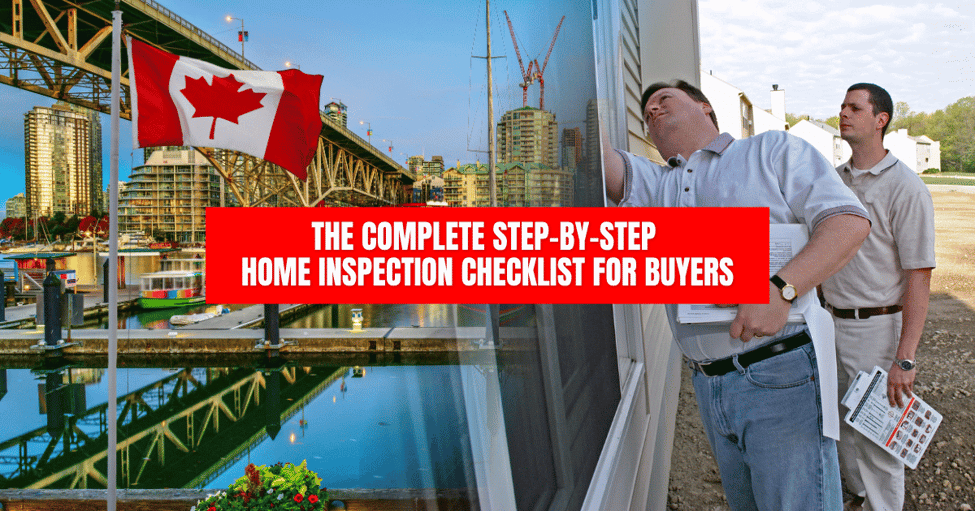
Finding your dream house and getting an offer accepted is a major milestone. But before you break out the champagne, there is one critical hurdle left before closing: the home inspection.

A home inspection is your opportunity to look beneath the fresh coat of paint and polished stage furniture. It protects your investment, gives you leverage during purchase negotiations, and prevents costly surprises down the road. While a licensed professional inspector will do the heavy lifting, knowing what to look for—and what red flags to watch out for—empowers you to ask the right questions and make confident decisions.

Use this step-by-step checklist to guide you through every phase of the home inspection process.

Step 1: Pre-Inspection Preparation

Before the inspector steps foot on the property, lay the groundwork so you can get the most out of the walk-through.

  • Hire an Independent Inspector: Choose a licensed, certified inspector with strong local reviews rather than relying solely on real estate agent recommendations.

  • Attend the Inspection in Person: Plan to be there for the final 30–60 minutes or the entire process. Seeing issues firsthand helps you contextualize what appears in the written report.

  • Review the Seller’s Disclosure: Cross-reference any known past repairs or issues disclosed by the seller against what the inspector finds.

Step 2: Exterior & Structural Integrity Checklist

The exterior of the home protects everything inside it. Major structural repairs are often the most expensive to fix, so pay close attention here.

Grounds & Drainage

  • [ ] Grading: Does the ground slope away from the foundation to prevent water pooling?

  • [ ] Driveways & Walkways: Are there large cracks, uneven concrete, or trip hazards?

  • [ ] Retaining Walls & Vegetation: Are tree roots growing too close to the foundation or utility lines?

Roof & Structure

  • [ ] Roof Condition: Are shingles missing, curled, or damaged? How old is the roofing material?

  • [ ] Gutters & Downspouts: Are downspouts connected properly and directing water at least 3–5 feet away from the house?

  • [ ] Foundation: Are there visible horizontal cracks, bowing walls, or signs of settling?

Step 3: Interior & Living Space Checklist

Inside the home, the focus shifts to safety, functionality, and potential signs of hidden moisture.

Doors & Windows

  • [ ] Operation: Do doors and windows open, close, and lock smoothly?

  • [ ] Seals & Insulation: Are double-pane windows fogged up (indicating broken thermal seals)?

Walls, Ceilings, & Floors

  • [ ] Water Stains: Are there dark spots or bubbling paint on ceilings or walls below bathrooms and beneath roofs?

  • [ ] Level Flooring: Do floors feel level, sturdy, and free of soft spots?

Step 4: Core Systems Checklist (HVAC, Electrical & Plumbing)

Major mechanical systems keep the home comfortable and safe. Replacing these can cost thousands, so knowing their age and condition is key.

      CORE HOME SYSTEMS INSPECTION


Plumbing

  • [ ] Water Pressure & Drains: Run multiple faucets simultaneously to check pressure and drainage speed.

  • [ ] Leaks: Check under kitchen and bathroom sinks for signs of moisture or water damage.

  • [ ] Water Heater: Check the manufacture date (average lifespan is 10–12 years) and look for rust or leaks.

Electrical

  • [ ] Panel & Outlets: Is the main electrical panel up to code? Are outlets GFCI-protected near water sources?

  • [ ] Wiring: Look for outdated wiring systems (like knob-and-tube or aluminum wiring) or exposed connections.

Heating & Cooling (HVAC)

  • [ ] Age & Maintenance: How old are the furnace and air conditioner? Are maintenance records available?

  • [ ] Airflow: Does the system produce warm or cold air effectively across all rooms?

Step 5: Attic & Basement Inspection

Attics and basements reveal how well a home handles insulation, ventilation, and moisture.

  • [ ] Attic Insulation: Is insulation sufficient, even, and free of pest droppings or mold?

  • [ ] Basement/Crawl Space: Is there standing water, a musty odor, or signs of past flooding?

  • [ ] Sump Pump: If present, does the sump pump feature a working float switch and backup system?

Step 6: Post-Inspection Action Plan

Once you receive the official written inspection report (usually within 24–48 hours), move quickly:

  1. Distinguish Needs from Wants: Focus negotiations on safety hazards, structural issues, and costly system failures (e.g., roof leak, faulty wiring) rather than cosmetic flaws.

  2. Request Repairs or Credits: Work with your agent to request seller repairs prior to closing or negotiate financial credits/price reductions.

  3. Schedule Specialized Inspections if Needed: If the inspector flags potential issues, hire specialists (e.g., structural engineer, sewer scope specialist, chimney inspector, or pest inspector) for deeper evaluation.

Make Your Next Move With Confidence

A home inspection doesn't have to be overwhelming—with the right checklist and team on your side, it’s your strongest tool for protecting your investment. Whether you are navigating your first purchase or buying an investment property, thorough inspection prep gives you total peace of mind before signing on the dotted line.

Have questions about the home buying process, or ready to schedule your professional property consultation?

Call me directly at (604) 833-6840 to speak with me and explore our services and book your appointment today!

...

In a hot real estate market, finding the right property is only half the battle. Once you locate a home you love, you are frequently pitted against multiple buyers competing for the exact same address. When multiple offers hit the table, simply offering asking price is rarely enough to secure the contract.

To stand out in a bidding war, your offer needs to appeal directly to the seller's primary motivations: speed, financial certainty, and minimal transaction risk.

Here is a strategic breakdown of how to construct a compelling, competitive purchase offer that gets noticed—and accepted—without overextending your budget.

1. Get Fully Underwritten (Not Just Pre-Approved)

A standard pre-approval letter tells sellers a bank looked at your numbers on paper. A fully underwritten pre-approval goes a step further: an underwriter has already verified your income, assets, and credit.

  • Why It Wins: An underwritten approval dramatically reduces financing contingency risk. It tells the seller your loan is practically guaranteed to fund, allowing you to offer a faster closing timeline (often 14 to 21 days) that rivals cash buyers.

2. Strengthen Your Earnest Money Deposit (EMD)

Your Earnest Money Deposit is the good-faith funds you deposit into an escrow account after an offer is accepted. While a typical EMD is 1% to 2% of the purchase price, increasing your deposit to 3% to 5% signals serious commitment.

  • Seller Perspective: A larger deposit reassures the seller that you have financial skin in the game and will not walk away lightly during the inspection or appraisal periods.

3. Tighten or Waive Non-Essential Contingencies

Contingencies give buyers legal exits to cancel a contract, but every contingency adds uncertainty for the seller. To make your offer cleaner:

  • Shorten Inspection Timelines: Instead of asking for a standard 10-to-14-day inspection window, compress it to 3 to 5 days.

  • Use an Appraisal Gap Coverage Clause: Agree upfront to cover a specific dollar amount (e.g., $5,000 to $10,000) out of pocket if the property appraisal comes in lower than the agreed purchase price.

  • Inspect for Information Only: Specify that you will conduct an inspection for structural/safety dealbreakers, but will not ask the seller for minor repair credits.

4. Tailor Closing Terms to the Seller’s Needs

Price matters, but convenience often closes the deal. Have your agent contact the listing agent before drafting the offer to uncover the seller's ideal timeline.

  • Flexible Closing Date: Accommodate the seller's preferred move-out schedule.

  • Offer a Seller Rent-Back: If the sellers need extra time to find their next home, allow them to rent the property back from you for 30 to 60 days post-closing.

Land Your Dream Home with Confidence

Winning in a competitive market requires balancing aggressive terms with smart risk management. By getting pre-underwritten, offering flexible terms, and streamlining contingencies, you can present an irresistible offer that sellers prefer over higher-priced, higher-risk alternatives.

Ready to craft a winning home-buying strategy tailored to your local real estate market?

Call us directly at 604-833-6840 for a personalized consultation today!

...

Building long-term wealth through real estate is a proven path to financial independence, but not all property investments are created equal. While long-term appreciation is a great bonus, consistent monthly cash flow is what provides immediate financial freedom, covers debt obligations, and funds your next expansion.

Navigating today's dynamic market requires more than just buying a property and putting up a "For Rent" sign. Investors need deliberate, high-yield strategies tailored to current interest rates and tenant demands.

Whether you are buying your first investment property or looking to optimize an existing portfolio, this guide breaks down the top real estate investment strategies for maximum cash flow and how to execute them effectively.

What Is Real Estate Cash Flow and Why Does It Matter?

At its simplest, cash flow is the net income left over from an investment property after all operating expenses, taxes, insurance, and mortgage payments have been deducted from the total rental revenue.


NetCashFlow=GrossRentalIncome-(OperatingExpenses+DebtService)

Positive cash flow creates a safety buffer during market downturns, protects against unexpected vacancy rates, and gives you liquid capital to reinvest without relying solely on property value appreciation.

1. Short-Term Vacation Rentals (Airbnb & VRBO)

Short-term rentals (STRs) consistently generate higher gross revenue per square foot compared to traditional long-term leases, especially in high-demand tourist hubs, business centers, or drive-to vacation markets.

  • How it works: Properties are leased out by the night or week to vacationers and business travelers through platforms like Airbnb or VRBO.

  • Cash flow potential: High. Daily rates significantly outpace monthly long-term rates.

  • Key considerations: STRs are operationally intensive. Success depends on professional photography, dynamic pricing tools, frequent turnover cleaning, and strict adherence to local zoning laws and occupancy taxes.

2. The BRRRR Strategy (Buy, Rehab, Rent, Refinance, Repeat)

The BRRRR strategy is designed for investors who want to build a cash-flowing portfolio rapidly while minimizing the long-term capital left tied up in any single deal.

  • Buy: Purchase a distressed or undervalued property below market value.

  • Rehab: Renovate the property to force forced appreciation and command higher market rent.

  • Rent: Secure reliable, long-term tenants to establish consistent rental income.

  • Refinance: Perform a cash-out refinance based on the newly appraised, higher market value to recover your initial capital.

  • Repeat: Roll the tax-free cash-out proceeds into your next property deal.

Pro Tip: Keep repair budgets tight. Over-improving a rental home beyond its neighborhood standard reduces your cash-on-cash yield without increasing monthly rent.

3. Medium-Term & Corporate Rentals

Medium-term rentals (MTRs) target traveling nurses, relocating executives, digital nomads, and insurance claimants who need furnished housing for periods ranging from 30 days to 6 months.

  • Why it boosts cash flow: Tenants pay a premium for fully furnished spaces and flexible lengths of stay, providing 30% to 50% higher rental rates than standard 12-month leases.

  • Lower overhead: Unlike short-term rentals, MTRs feature significantly lower tenant turnover, fewer cleaning cycles, and minimal risk from local municipal short-term rental bans.

4. Multi-Family Properties (Duplexes, Triplexes, and Small Apartments)

Investing in multi-family properties offers built-in risk diversification and economy of scale under a single roof and mortgage.


By consolidating management, maintenance, and debt service under one roof, multi-family investors lower their per-unit operating costs, leading directly to higher net operating income (NOI) and stronger monthly cash flow.

5. House Hacking

For new or low-capital investors, house hacking remains the single best strategy to jumpstart positive cash flow with minimal upfront capital.

  • How it works: Purchase a 2-to-4 unit property using a low-down-payment owner-occupant loan (such as an FHA or VA loan), live in one unit, and rent out the remaining units.

  • The financial gain: The rental income from the neighboring units covers most—if not all—of your monthly mortgage payment. Living housing-expense-free allows you to save substantial income each month toward your next pure investment property.

Quick Comparison: Choosing the Right Cash Flow Strategy

Strategy

Cash Flow Potential

Effort / Management

Capital Required

Risk Profile

Short-Term Rentals

Very High

High

Moderate–High

Moderate

BRRRR Strategy

High

High (during rehab)

Low–Moderate (post-refi)

Moderate–High

Medium-Term Rentals

Moderate–High

Moderate

Moderate

Low–Moderate

Small Multi-Family

High & Stable

Low–Moderate

High

Low

House Hacking

High (relative to expense)

Low

Low

Very Low

Take Control of Your Real Estate Portfolio Today

Generating strong, predictable cash flow doesn't happen by accident—it requires clear market analysis, smart financing structures, and disciplined property selection. By aligning the right strategy with your personal risk tolerance and available capital, you can build a resilient income stream that withstands changing economic cycles.

Ready to find high-yield investment opportunities or optimize your current real estate portfolio for maximum return?

Call us directly at 604-833-6840 for a free consultation with our real estate advisory team and book your strategy session today!

...

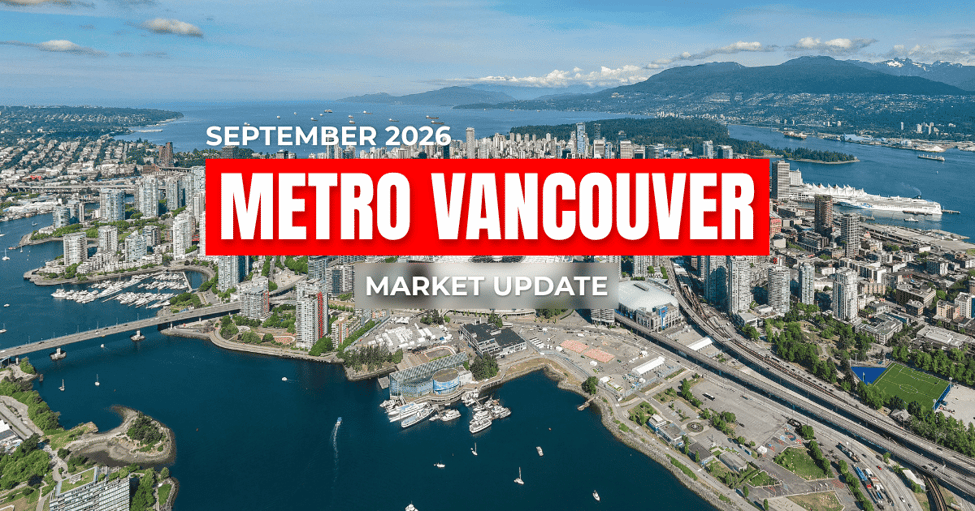
If you’ve been keeping an eye on the Metro Vancouver housing market, the latest figures for September 2026 show a dynamic shifting beneath the surface.

While total home sales saw a year-over-year decline, the overall narrative is heavily driven by a single sector: apartments. End-user buyers in the detached and townhouse markets remain active, while investor-driven demand in the condo segment continues to take a backseat.


Key Market Highlights at a Glance

  • Total Sales: 1,717 residential sales recorded (down 8.4% from September 2025; 25% below the 10-year seasonal average).

  • New Listings: 5,852 properties listed (down 10.3% year-over-year; 5.7% above the 10-year average).

  • Total Inventory: 16,394 active listings (down 4% from September 2025).

  • Composite Benchmark Price: $1,075,900 (down 5.5% year-over-year and 0.6% from August 2026).

  • Sales-to-Active Listings Ratio: 10.9% across all property types.

1. The Apartment Segment Leads the Downturn

The headline drop in sales is largely isolated to the apartment market. In Metro Vancouver, condos typically account for half of all monthly activity.

  • Condo Sales: Dropped 18.6% year-over-year to 777 transactions (compared to 954 in September 2025).

  • Benchmark Price: $682,500 (down 6.2% from last September and 0.5% from August 2026).

According to Greater Vancouver REALTORS® (GVR) Chief Economist Andrew Lis, investor-driven buyers are waiting for more favorable market conditions before jumping back into the condo market.

2. Detached & Attached Homes Show Resilience

In contrast to the condo segment, end-user buyers looking for detached homes and townhouses are stepping up.

Detached Homes

  • Sales: 575 homes sold (+4.2% vs. September 2025).

  • Benchmark Price: $1,784,700 (down 7.3% year-over-year; -0.8% month-over-month).

  • Sales-to-Active Ratio: 9.7%.

Townhouses / Attached Homes

  • Sales: 358 homes sold (+0.6% vs. September 2025).

  • Benchmark Price: $1,016,700 (down 4.7% year-over-year; -1.2% month-over-month).

  • Sales-to-Active Ratio: 12.2%.

3. What Does This Mean for Buyers and Sellers?

For Buyers

With the overall sales-to-active listings ratio sitting at 10.9%, the market leans into balanced to buyer-friendly territory (historically, ratios below 12% signal downward price pressure over sustained periods). While prices have drifted down about 3% across all property types since the start of the year, inventory levels remain steady, giving buyers room to negotiate without feeling rushed.

For Sellers

Strategic pricing is critical right now. Because overall active listings (16,394) remain 24.3% above the 10-year seasonal average, buyers have choices. Well-priced townhouses and single-family detached homes are still finding traction, but setting realistic expectations based on current benchmark trends will ensure a smooth sale.

Summary Table: September 2026 Market Breakdown

Property Type

September 2026 Sales

YoY Sales Change

Benchmark Price

YoY Price Change

Sales-to-Active Ratio

Detached

575

+4.2%

$1,784,700

-7.3%

9.7%

Attached (Townhome)

358

+0.6%

$1,016,700

-4.7%

12.2%

Apartment (Condo)

777

-18.6%

$682,500

-6.2%

11.4%

Composite (Total)

1,717

-8.4%

$1,075,900

-5.5%

10.9%

Ready to Make Your Next Real Estate Move?

Navigating shifting market conditions requires localized insight and a tailored strategy. Whether you're looking to buy your dream home, sell in today's market, or evaluate investment opportunities across Vancouver, the Tri-Cities, or the Fraser Valley, I’m here to guide you every step of the way.

Contact me today for a complimentary market analysis of your home or neighborhood:

Cindy Neubauer, Realtor®

Serving Vancouver, Tri-Cities & Fraser Valley


...

Maple Ridge vs Langley: Which Is Better for Buyers in 2026?

If you’re trying to choose between Maple Ridge and Langley, you’re basically choosing between two different versions of Vancouver suburb living.

Maple Ridge feels more outdoorsy, quieter, and a little more “hidden gem.”
Langley feels more built-out, more convenient, and more future-focused — especially with SkyTrain coming to Langley City.

First, understand Langley: City vs Township

This is important because people say “Langley” like it’s one place, but it’s really two municipalities:

Langley City is smaller, more urban, and will be home to the future SkyTrain terminus at Langley City Centre. The Surrey-Langley SkyTrain extension is planned as a 16 km Expo Line extension from King George Station to 203 Street in Langley City Centre, with stations including Willowbrook and Langley City Centre. (TransLink)

Township of Langley is much larger and includes Willoughby, Yorkson, Walnut Grove, Murrayville, Fort Langley, Brookswood, Aldergrove, and rural/agricultural areas. It has been one of the fastest-growing areas in Metro Vancouver, with the 2021 Census showing 132,603 people and 13.1% growth from 2016. (Statistics Canada)

House Prices: Maple Ridge Is Usually More Affordable

For buyers, this is where Maple Ridge gets interesting.

As of April 2026, benchmark detached prices were roughly:

AreaDetachedTownhomeCondo
Langley~$1.53M~$812K~$554K
Maple Ridge~$1.23M~$724K~$504K

That means Maple Ridge can offer noticeably more detached-home affordability compared with Langley, especially for buyers who want a yard, older home, suite potential, or more space. Langley is usually more expensive because of its stronger location, bigger employment base, newer communities, and future SkyTrain impact. (Bridgewell Group Realtors)

Traffic & Commute to Vancouver

This is one of the biggest differences.

Langley commute:
Langley has better access to Highway 1, 200 Street, Fraser Highway, and future rapid transit. If you’re in Walnut Grove, Willoughby, or Yorkson, Highway 1 access is a big plus. But traffic around 200 Street, Willoughby, and school zones can get busy fast.

Maple Ridge commute:
Maple Ridge is beautiful, but the commute can be tougher. You’re relying heavily on Lougheed Highway, Golden Ears Bridge, Abernethy Way, and routes through Pitt Meadows or Port Coquitlam. If you work in Vancouver, Burnaby, Richmond, or Surrey, Maple Ridge can feel far during rush hour.

My buyer-friendly way to say it:
Maple Ridge gives you nature. Langley gives you options.

Transportation: Langley Has the Bigger Upside

Langley wins here long-term.

The Surrey-Langley SkyTrain extension will connect Langley City Centre to the Expo Line, with eight new stations and three transit exchanges. That is a major deal for future convenience and buyer demand. (Surrey Langley Skytrain)

Maple Ridge has West Coast Express, which is great if your schedule lines up with commuter rail hours. But it’s not the same as all-day SkyTrain-style service.

Schools & Family Life

Both are family-friendly, but the feel is different.

Langley has newer family communities like Yorkson and Willoughby, with lots of young families, townhomes, parks, playgrounds, sports fields, and schools being built or expanded. The Township also recently opened the north campus of Yorkson Community Park, including its largest accessible playground, a spray park, synthetic field, and gathering spaces. (Tol)

Maple Ridge feels more relaxed and outdoorsy. Families often like areas near Albion, Silver Valley, Kanaka Creek, and East Central. You get more trees, trails, and a slightly less “busy suburb” feel.

Nature & Lifestyle

Maple Ridge is hard to beat for nature.

You’re close to:

  • Golden Ears Provincial Park

  • Alouette Lake

  • Kanaka Creek

  • dykes, trails, rivers, and mountain views

Langley has great nature too, especially Fort Langley, Derby Reach, Campbell Valley Park, Williams Park, and rural South Langley. But Langley feels more suburban; Maple Ridge feels more outdoors-first.

Development & Growth

Langley is more obviously pro-growth right now.

Township of Langley Mayor Eric Woodward has positioned the Township around major infrastructure, growth, and community investment. He is currently serving his first term as mayor after previously serving as a councillor. (Tol)

The Township’s Housing Action Plan also focuses on creating more diverse housing supply for a growing population. (Tol)

Maple Ridge is growing too, especially around town centre, Albion, and Silver Valley, but Langley feels more aggressive with development, infrastructure, and future transit-oriented growth.

Crime, Homelessness & Downtown Feel

Both cities have areas buyers should understand.

Langley City has historically had more visible street issues around parts of the downtown core, but recent crime data has improved. A Langley City update noted that its Crime Severity Index and total crime rate were at their lowest levels since 1998, based on Statistics Canada’s 2024 data. (South Fraser Blog)

Maple Ridge also has visible homelessness and social challenges, especially around parts of the downtown core. For buyers, the key is not to judge the entire city by one block. Maple Ridge has many quiet, family-friendly neighbourhoods that feel completely different from the downtown strip.

Demographics

Langley is growing fast and becoming more diverse, especially the Township. A NewToBC profile noted that Township of Langley was the fastest-growing municipality in Greater Vancouver between 2016 and 2021, and that its immigrant population grew faster than the overall population. (NewToBC)

Maple Ridge tends to feel a little more established, outdoorsy, and community-based, with a mix of young families, tradespeople, commuters, retirees, and long-time locals.

Rent & Investment Feel

Langley usually has stronger rental demand because of jobs, schools, shopping, Trinity Western University, industrial/employment areas, and future SkyTrain.

Maple Ridge can still work well for rentals, especially basement suites and family rentals, but investors need to be more careful with commute times and tenant profile.

CMHC reported that Greater Vancouver’s rental vacancy rate increased significantly in 2025, meaning renters had a bit more choice than before. That’s good for tenants, but investors should be more conservative with rent assumptions. (Canada Mortgage and Housing Corporation)

Quick Buyer Verdict

Choose Maple Ridge if you want:

  • Better detached-home affordability

  • More nature

  • A quieter pace

  • Bigger lots or older homes

  • Outdoor lifestyle

Choose Langley if you want:

  • Better long-term transportation upside

  • More shopping and amenities

  • Newer townhome communities

  • Stronger development momentum

  • Better access to Surrey, Vancouver, Abbotsford, and Highway 1

My honest take:
Maple Ridge is the value play. Langley is the growth play.


...


Ah, fall in Vancouver — that magical time when pumpkin spice takes over, the Canucks give us hope again, and the real estate market starts to cool off just enough for buyers to finally breathe.


And this September? The winds are shifting. After years of sellers calling the shots, the fall market is leaning toward buyers — and that’s a headline we haven’t heard in a while.


📉 Home Prices Are Drifting Downward (Yes, You Read That Right)


Let’s get straight to the numbers — because that’s where the story really starts.

Across Metro Vancouver, the benchmark home price now sits at $1,142,100, down 3.2% from last year and 0.7% from just last month.


For detached homes, we’re at $1,933,100, which is 4.4% lower than last September. Townhomes dropped 2.7%, sitting at $1,069,800, and condos are down 4.4% to $728,800.


In plain English? Homes are finally getting more affordable — relatively speaking, of course. This is Vancouver, after all.


📈 The Rate Cuts Are Helping… Slowly


Another Bank of Canada rate cut is working its way through the system, and it’s giving buyers just enough confidence to step back into the market.


Andrew Lis, GVR’s Director of Economics and Data Analytics, put it perfectly:


“With another rate cut behind us and possibly one more coming before year-end, homebuyers have reason to be optimistic this fall.”


Translation: If you’ve been waiting on the sidelines, this might be your window.


🏘️ Inventory Is Piling Up — And That’s Great News for Buyers


Active listings across all property types hit 17,079, which is a 14.4% jump from last year and a huge 36.1% above the 10-year average.


More listings mean more choices — and more leverage for buyers.


To break it down:


  • Detached homes: 6,459 active listings

  • Townhomes: 2,798 active listings

  • Condos: 7,164 active listings


It’s not exactly a flood, but it’s a solid step toward a balanced market.


⚖️ The Sales-to-Active Listings Ratio: What It Tells Us


This one’s a big deal — and it’s where the shift really shows.


The overall sales-to-active listings ratio for September was 11.3%.


  • Detached: 8.5%

  • Townhomes: 12.7%

  • Condos: 13.3%


Now, if you’ve been following the market, you know the magic numbers:


  • Below 12% = downward pressure on prices

  • Above 20% = upward pressure on prices


So with ratios hovering around that 11–13% mark, the market is officially tilting in buyers’ favour. Expect prices to stay soft — maybe even dip a bit more if this trend continues.


🏠 By the Numbers – September 2025 Snapshot


Property Type

Active Listings

Sales

Benchmark Price

Avg. Days on Market

Detached

6,459

552

$1,933,100

47

Townhomes

2,798

356

$1,069,800

36

Condos

7,164

954

$728,800

44

Total residential sales hit 1,875, which is slightly up from 1,852 last year, but still 20% below the 10-year average. So, activity is moving — but not at breakneck speed.


🌇 What Does It All Mean?


The past few years have been… a roller coaster, to say the least. Between rising rates, policy shifts, and even trade tensions, Metro Vancouver’s housing market has had its share of drama.


But as we move into the last quarter of 2025, things are stabilizing. The panic is gone, buyers are gaining confidence, and sellers are starting to adjust their expectations to this new reality.


💡 Bottom Line


If you’re a buyer, this fall might be your best shot in years.

If you’re a seller, pricing right is key — because buyers have options now.


Whether you’re looking in Vancouver, Burnaby, Maple Ridge, or the North Shore, one thing’s clear: the market is finally giving both sides a fair fight.


🏡 Thinking of buying or selling this fall?


I’m always happy to help you make sense of the numbers and find the right strategy — whether you’re upgrading, downsizing, or just trying to time the market smartly.


📞 Let’s chat about your goals and how to make this market work for you.


...


📊 August 2025 Vancouver Real Estate Market Update


Easing prices are bringing buyers back into the market! 🏡 Here’s everything you need to know about how the Vancouver housing market performed in August 2025.


📈 Home Sales Are Rising


  • 1,959 homes sold across Metro Vancouver in August.

  • That’s a 2.9% increase compared to August 2024.

  • Still, sales remain 19.2% below the 10-year seasonal average, meaning activity is improving but not back to “normal.”


🏘️ More Listings, More Choice


  • 4,225 new listings hit the MLS® in August, up 2.8% year-over-year.

  • Total active listings reached 16,242—that’s 17.6% higher than last year and nearly 37% above the 10-year average.

    👉 Buyers currently have plenty of options to choose from!


📊 Sales-to-Active Listings Ratio


The sales-to-active listings ratio is a key market indicator:


  • Overall: 12.4%

  • Detached homes: 9.3%

  • Townhomes: 15.8%

  • Apartments: 14%


💡 Historically, when the ratio falls below 12%, prices trend downward. Above 20%, prices usually climb. Right now, we’re balanced.


💵 Home Prices Are Easing


  • Composite benchmark price: $1,150,400


    • ↓ 3.8% from August 2024

    • ↓ 1.3% from July 2025


By property type:


  • 🏠 Detached homes – $1,950,300 (↓ 4.8% YoY)

  • 🏢 Apartments – $734,400 (↓ 4.4% YoY)

  • 🏘️ Townhouses – $1,079,600 (↓ 3.5% YoY)


📉 Sellers are lowering expectations, and that’s creating more alignment with buyers.


🔎 What This Means for You


✅ Buyers: The market is more affordable compared to last year, but with sales activity picking up, the window of opportunity may narrow soon.

✅ Sellers: Proper pricing is key—well-priced homes are moving, especially in the detached and townhouse segments.


👋 Final Thoughts


August showed signs of renewed confidence in the market, with buyers stepping back in and sellers adjusting expectations.


👉 Thinking about buying or selling? Now’s the time to review your options.


🔗 Book a free strategy call with me and let’s build your plan together.

...

After a slow start to the year, the Vancouver real estate market is showing early signs of stabilization. Here's your monthly breakdown with key statistics, trends, and what it means for buyers and sellers.

🏡 Home Sales Showing Signs of Recovery

  • 2,181 homes sold in June 2025, down 9.8% year-over-year, but a notable improvement from May's performance.

  • Still 25.8% below the 10-year seasonal average, yet the decline has halved compared to the previous month.

"Sales activity is rounding the corner. If momentum continues, we could see year-over-year increases soon." — Andrew Lis, GVR

📅 More Listings, More Choices

  • 6,315 new listings in June — up 10.3% from June 2024

  • 17,561 active listings in total — up 23.8% year-over-year

  • Inventory is now 43.7% above the 10-year seasonal average

This means buyers have more options than they’ve had in years, especially with mortgage rates down 2% since last summer.

⚖️ Balanced Market Conditions

  • Sales-to-active listings ratio: 12.8%

    • Detached: 9.9%

    • Townhomes: 16.9%

    • Condos: 13.9%

Generally, below 12% suggests downward pressure on prices, while above 20% pushes prices up. The current trend suggests stable, balanced market conditions.

📈 Benchmark Prices

Property TypePriceYoY ChangeMoM Change
Detached$1,994,500⬇️ 3.2%⬇️ 0.1%
Townhomes$1,103,900⬇️ 3.0%⬇️ 0.3%
Apartments$748,400⬇️ 3.2%⬇️ 1.2%

Prices remain relatively flat month-over-month, signaling ongoing stability.

📊 Visual Market Insights

Sales by Property Type: June 2024 vs. June 2025


Benchmark Prices by Property Type


🔍 What This Means for You

With more inventory and slightly lower borrowing costs, it's a good time for buyers to explore opportunities. Sellers in balanced market segments may need to price competitively but can still attract serious interest.

✉️ Ready to Make a Move?

If you're thinking of buying, selling, or investing in Metro Vancouver, let's talk about your goals and the best strategy for today's market.

Book a Free Consultation » https://calendly.com/sol-yasin


...

Coquitlam, a thriving city nestled in Metro Vancouver’s Fraser River Valley, continues to make waves in British Columbia’s real estate landscape. With major developments, strategic urban planning, and sustained demand, 2025 is shaping up to be another exciting year for buyers, sellers, and investors alike.


📊 Recent Trends in the Coquitlam Real Estate Market

Over the past few years, Coquitlam has experienced a consistent uptick in housing demand—driven by its blend of natural beauty, urban convenience, and proximity to Vancouver. The city’s appeal to young professionals, families, and downsizers has fueled the rise of diverse residential options including:

  • High-rise condos near transit hubs 🚇

  • Townhouses and duplexes in family-friendly neighborhoods 🏘️

  • Custom single-family homes in established areas 🌲

With benchmark home prices stabilizing in late 2024, many are optimistic that 2025 will offer a more balanced market—ideal for both strategic investments and first-time buyers.


🏢 Urban Development & Upcoming Projects in 2025

Coquitlam is growing smart. The Burquitlam-Lougheed Neighbourhood Plan and the continued rollout of the Coquitlam City Centre Area Plan are transforming underdeveloped zones into thriving, walkable communities.

Highlights for 2025 include:

  • New residential towers near Burquitlam Station, adding more inventory for condo buyers

  • Expansion of the Evergreen SkyTrain Line impact, increasing property values along key transit corridors

  • Sustainable urban design focused on energy efficiency, EV-ready homes, and green construction standards

  • Retail and commercial hubs to support job creation and local businesses

This strategic growth continues to boost livability and long-term investment potential.


🔮 What Buyers & Investors Can Expect in 2025

So, what’s on the horizon? Here's a snapshot of what to expect this year:

  • Continued demand in transit-accessible neighborhoods like Burquitlam, Maillardville, and West Coquitlam

  • Rising interest in eco-conscious homes, especially among younger buyers

  • Increased pre-sale opportunities as developers respond to population growth

  • Rental market expansion, ideal for investors seeking income properties

Pro tip: Watch for rezoning announcements and city council development meetings—they’re a goldmine for getting ahead of market shifts.


💼 Tips for Buying or Selling in Coquitlam in 2025

Whether you're jumping into the market or cashing in on your equity, here are some top tips:

For Buyers:

  • ✅ Get pre-approved early: Multiple offers are still common on well-priced properties

  • ✅ Work with a local agent who knows Coquitlam’s micro-neighborhoods

  • ✅ Consider pre-construction if you're not in a rush—it can offer better value and flexibility

For Sellers:

  • ✅ Stage your home: Buyers expect move-in-ready

  • ✅ Price it right: Overpricing can push your listing into stale territory

  • ✅ Highlight energy efficiency: Smart thermostats and efficient appliances are big selling points in 2025


🌟 Final Thoughts

Coquitlam’s real estate market in 2025 reflects the city’s dynamic evolution—balancing growth, sustainability, and livability. Whether buying, selling, or investing, now’s the time to tap into the momentum and move in this exciting market.


Want to explore listings or get expert insights on the Coquitlam market?
Let’s connect today!


Solomon Yasin, Personal Real Estate Corporation
REALTOR®, Team 3000 Realty Ltd
📞 604-679-4560 | 📧 [email protected]
🌐 www.searchbcrealestate.com

...

Vancouver, a vibrant West Coast city cradled between the mountains and the Pacific Ocean, offers a spectacular variety of housing styles that reflect both its multicultural identity and breathtaking natural surroundings. Whether you're house hunting, investing, or simply admiring architecture, this guide walks you through the most iconic and sought-after home styles across the city. 🌊🏔️


1. West Coast Modern – Where Nature Meets Architecture 🛶✨

Overview

Inspired by the harmony of the Pacific Northwest, West Coast Modern homes are designed to blend seamlessly with the environment. These homes are all about openness, light, and natural materials.

Key Features

  • Expansive floor-to-ceiling windows for panoramic views and natural light

  • Organic materials like cedar wood, slate, and stone

  • Flat or low-pitched roofs that echo the horizontal lines of the landscape

  • Open-concept living spaces designed for indoor-outdoor living

Notable Areas

West Vancouver and North Vancouver are home to some of the finest examples, perfectly perched among forests and overlooking the ocean.


2. Craftsman Style – Timeless Charm with Artisan Detail 🛠️🏠

Overview

Craftsman homes are a Vancouver classic. Known for their handcrafted quality and cozy ambiance, they offer a warm welcome with every detail, from their generous front porches to their intricately designed interiors.

Key Features

  • Low-pitched gabled roofs with wide eaves

  • Exposed beams and decorative brackets

  • Built-in cabinetry and fireplaces

  • Natural materials like wood and stone throughout

Notable Areas

Kitsilano and Dunbar are rich with Craftsman homes, blending character, community, and comfort.


3. Victorian Style – Elegance from a Bygone Era 🕰️🌷

Overview

Step back in time with Vancouver’s Victorian-style homes. With their intricate detailing, bold colors, and historic character, these homes are true architectural treasures.

Key Features

  • Steep, multi-faceted rooflines and bay windows

  • Ornate trims, brackets, and moldings

  • Vibrant exteriors in heritage color schemes

  • Asymmetrical façades and charming turrets

Notable Areas

Strathcona and Mount Pleasant feature many of these well-preserved homes, offering a glimpse into Vancouver’s early development.


4. Contemporary Style – Modern Minimalism Meets Innovation 🏙️🌟

Overview

Contemporary homes reflect Vancouver's cosmopolitan energy. Think clean lines, bold geometry, and a commitment to sustainability. These are homes designed for modern living.

Key Features

  • Open floor plans with smart layouts

  • Steel, glass, and concrete elements

  • Green building materials and energy-efficient systems

  • Sleek, minimalistic interiors with functional elegance

Notable Areas

Yaletown, Coal Harbour, and Fairview showcase some of the city's most innovative and luxurious contemporary residences.


5. Apartment Living – Urban Vibes & Scenic Views 🏢🌆

Overview

In a city where space is at a premium, apartment living has evolved into an art form. From upscale penthouses to stylish condos, Vancouver’s apartment scene is modern, convenient, and full of amenities.

Key Features

  • High-rise towers with sweeping city, mountain, or ocean views

  • Full-service amenities like gyms, pools, lounges, and concierge services

  • Walking distance to cafes, parks, and transit

  • Ideal for professionals, retirees, and families alike

Notable Areas

Downtown Vancouver, the West End, and False Creek offer high-density living with maximum lifestyle benefits.


6. Eco-Friendly Homes – Sustainable Living for a Greener Tomorrow 🌱🏡

Overview

Vancouver leads the way in sustainable housing. Eco-friendly homes cater to environmentally-conscious buyers with cutting-edge technology and green design.

Key Features

  • Solar panels and geothermal heating

  • Sustainable materials such as reclaimed wood and recycled steel

  • Passive house standards and airtight insulation

  • Rainwater collection and low-impact landscaping

Notable Areas

South Vancouver, East Vancouver, and select new developments across the city feature green homes focused on low environmental impact and high performance.


Which Style Speaks to You? 🌈🏡

From sleek urban condos to charming Craftsman bungalows, Vancouver offers a rich blend of housing styles suited for every lifestyle and aesthetic. Whether you’re drawn to the natural elegance of West Coast Modern homes or the historical charm of Victorian architecture, the perfect home is waiting in this dynamic city.


Are you ready to find your dream home in Vancouver?
Let us help you explore these styles in person. Reach out today and start your journey with confidence.


Solomon Yasin, Personal Real Estate Corporation
REALTOR®, Team 3000 Realty Ltd
📞 604-679-4560 | 📧 [email protected]
🌐 www.searchbcrealestate.com

...

Selling a home in Vancouver can be an exciting yet complex journey. One of the most critical decisions you'll make is when to sell. The timing of your sale can significantly affect both the sale price and how quickly your property moves off the market.

Vancouver’s real estate market has distinctive seasonal patterns that can guide your selling strategy. In this blog, we’ll break down the best times to sell your home in Vancouver, backed by local market insights. Let’s dive in! 📊✨


🌷 Spring: The Peak Selling Season in Vancouver

Spring is widely regarded as the best season to sell a home in Vancouver—and for good reason. As the city awakens from winter, buyer activity surges, and homes tend to show their best.

Why Spring Works:

  • Increased Buyer Activity: Warmer weather and longer days bring out more serious buyers, especially families planning a move before the new school year. 👨‍👩‍👧‍👦

  • Enhanced Curb Appeal: Blossoming gardens and green lawns make homes more visually appealing. 🌸

  • Flexible Showings: More daylight means more flexibility for open houses and showings. ☀️

Spring Selling Tips:

  • Boost curb appeal with fresh landscaping and exterior cleaning.

  • Stage your home professionally to highlight its best features.

  • Leverage digital marketing, especially social media, to reach motivated buyers across Vancouver.


☀️ Summer: A Mixed Bag for Sellers

Summer can be a bit of a wildcard in Vancouver’s real estate market. While the weather remains favorable and some buyers are active, the pace can slow due to summer vacations.

What to Expect:

  • Lower Buyer Traffic: Many potential buyers travel or focus on summer activities. 🏖️

  • Unique Showing Opportunities: Outdoor open houses and garden viewings shine this time of year. 🍹

Summer Selling Tips:

  • Show off outdoor living spaces like patios or balconies as perfect for summer entertaining.

  • Stay flexible with showing schedules to work around vacations and holidays.


🍂 Fall: A Strategic Window for Motivated Buyers

Fall, particularly September and October, is often an underrated time to sell. As summer wraps up, buyers who didn’t purchase earlier are ready to act fast.

Why Fall Can Work:

  • Highly Motivated Buyers: Many are eager to close before the holiday season or bad weather sets in. 🧣

  • Reduced Competition: Fewer listings can help your home stand out and attract stronger offers.

  • Warm Aesthetic: Autumn staging can add a cozy, welcoming atmosphere. 🍁

Fall Selling Tips:

  • Use warm tones and lighting to create a homey vibe.

  • Promote a quick move-in, ideal for buyers wanting to settle before winter hits.


❄️ Winter: The Quiet Season with Serious Buyers

Winter tends to be the slowest time for home sales in Vancouver. Cold weather, shorter days, and the holiday season all contribute to reduced buyer activity. But that doesn’t mean it’s impossible to sell.

The Winter Advantage:

  • Serious, Ready-to-Act Buyers: Those shopping in winter are usually highly motivated.

  • Minimal Competition: With fewer homes on the market, your property may attract more attention.

Winter Selling Tips:

  • Create a cozy ambiance with soft lighting, warm decor, and seasonal touches.

  • Be show-ready and flexible with showings despite the unpredictable weather.


⏰ Final Thoughts : Timing Is Key to Success

While spring often delivers the most traffic and best sale prices, each season in Vancouver has unique advantages. Fall can attract serious buyers with less competition, and even summer and winter can be strategically used depending on your goals.

No matter the season, selling your home in Vancouver is all about understanding the market, preparing your property, and choosing the right time for you. Spring might bring the buzz, but fall offers focus, and even winter has its quiet power with serious buyers. 📆

So, what do you think?
👉 Drop a comment below and let me know when YOU think is the best time to sell a home in Vancouver! I'd love to hear your thoughts or answer any questions you have.


Thinking about selling your home? Let's chat!
Whether you're ready now or planning, I’m here to help you navigate every step of the way with expert advice and local market knowledge.


Solomon Yasin, Personal Real Estate Corporation
REALTOR®, Team 3000 Realty Ltd
📞 604-679-4560 | 📧 [email protected]
🌐 www.searchbcrealestate.com

...

Selling a house can be a daunting task, especially in a vibrant real estate market like Vancouver. With its stunning landscapes, diverse culture, and booming economy, Vancouver attracts many buyers. However, many sellers make common mistakes that can hinder their success. In this blog, we’ll explore these pitfalls and provide actionable tips on how to avoid them, ensuring a smooth and profitable sale. 💰


1. Overpricing the Property 💲

The Mistake:

Overpricing your home is one of the most frequent — and costly — mistakes. Sellers often let emotional attachment or outdated information skew their expectations.

How to Avoid It:

  • Conduct a Comparative Market Analysis (CMA): Work with a local real estate expert to assess similar recent sales. 📊

  • Get a Professional Appraisal: A neutral third-party valuation helps you price realistically. 🏷️

  • Stay Objective: Focus on market data, not sentimental value. 🧠


2. Neglecting Home Staging 🛋️

The Mistake:

A cluttered or bland space doesn’t inspire buyers. Staging helps them envision your home as their own.

How to Avoid It:

  • Declutter and Depersonalize: Create space and allow buyers to imagine their lives there. 🗑️

  • Hire a Professional Stager: It’s a worthwhile investment that highlights your home’s best features. 🎨

  • Boost Curb Appeal: First impressions count—keep the yard tidy, touch up paint, and refresh the front door. 🌼


3. Ignoring Repairs and Maintenance 🔧

The Mistake:

Leaving obvious fixes undone can raise red flags for buyers and reduce your home's value.

How to Avoid It:

  • Get a Pre-Sale Inspection: Find and fix issues before listing. 🔍

  • Handle Minor Repairs: Don’t overlook leaky taps, creaky floors, or chipped paint. 🖌️

  • Improve Energy Efficiency: Upgrades like efficient windows or appliances can be attractive selling points. 🌱


4. Poor Marketing Strategy 📣

The Mistake:

You can’t sell what no one sees. A weak marketing plan leads to fewer showings and low offers.

How to Avoid It:

  • Use Online Listings Wisely: High-quality photos and compelling descriptions matter. 📸

  • Leverage Social Media: Reach buyers where they spend time—Facebook, Instagram, even TikTok. 📱

  • Host Open Houses: Invite traffic in and create a great in-person experience. 🏠


5. Failing to Disclose Issues ⚠️

The Mistake:

Hiding defects might seem like a shortcut but can lead to serious legal and financial consequences.

How to Avoid It:

  • Be Transparent: Disclose known problems like water damage, mold, or electrical issues. 🤝

  • Back It Up: Share reports, receipts, and warranties to build buyer confidence. 📑


6. Not Being Flexible with Showings ⏰

The Mistake:

Limited availability equals missed opportunities. Buyers won’t wait around.

How to Avoid It:

  • Accommodate Different Schedules: Make your home available for evening and weekend showings. 👍

  • Use a Lockbox: It makes it easy for agents to bring clients through without delays. 🔑


7. Skipping Professional Help 👩‍💼

The Mistake:

DIY selling can seem cost-effective but often results in poor pricing, marketing, and negotiation outcomes.

How to Avoid It:

  • Hire a Knowledgeable Agent: An experienced Vancouver real estate agent knows the local market and how to get you the best deal.

  • Lean on Their Network: From stagers to inspectors to lawyers, pros have the connections that make selling smoother.


Final Thoughts ✨

Selling your home in Vancouver doesn’t have to be overwhelming. By avoiding these common mistakes and working with the right professionals, you can attract serious buyers, negotiate confidently, and move forward with a successful sale.


Thinking of selling? Comment below what you are struggling with. We are here to help 

...
1
2
3
...
17